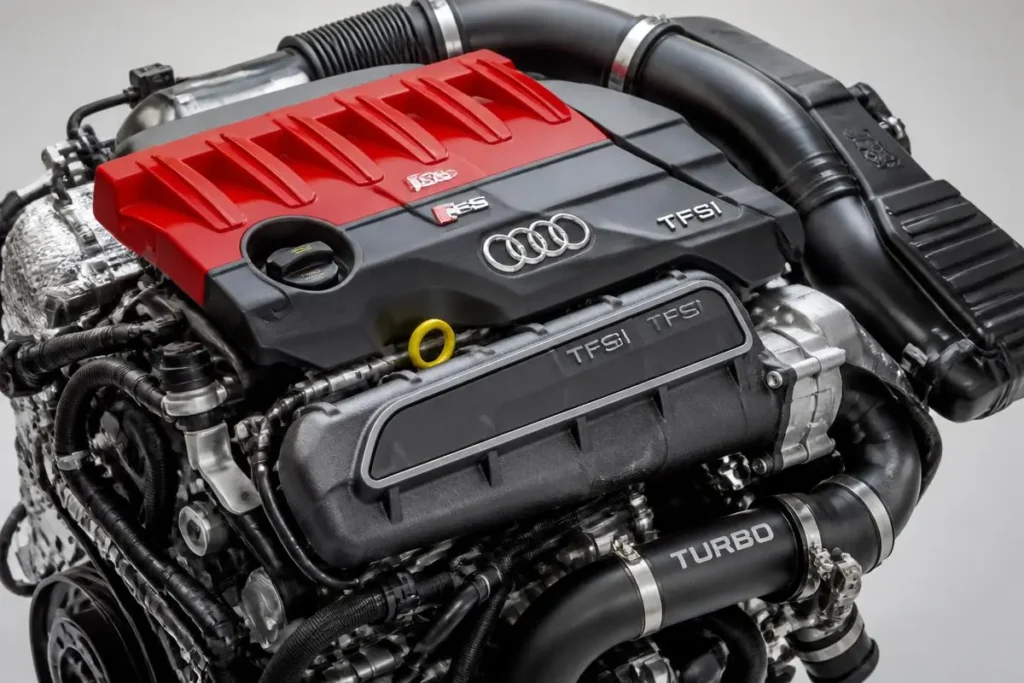
Engines in Mercedes, BMW, Audi and Porsche run inside tight margins: a set oil pressure, a stable operating temperature and valve timing that tolerates little drift. Faults rarely appear from nowhere — they start as a small leak, a faint noise or extra oil consumption, and grow if ignored. Our job is to catch the signal early and say precisely whether the fix is external or the engine genuinely needs a complete internal overhaul.
Engines rarely fail without warning. Fixing a leak or a timing chain early is far cheaper than waiting for major damage, so we always start with an inspection that sizes up the problem.
Engines in Mercedes, BMW, Audi and Porsche run inside tight margins: a set oil pressure, a stable operating temperature and valve timing that tolerates little drift. Faults rarely appear from nowhere — they start as a small leak, a faint noise or extra oil consumption, and grow if ignored. Our job is to catch the signal early and say precisely whether the fix is external or the engine genuinely needs a complete internal overhaul.
01
Most oil leaks on European engines come from the cam cover gasket, the filter housing, the oil cooler, a crank seal, or a blocked breather hose. The common mistake is cleaning the area and replacing the nearest gasket without finding the source. We clean, add a tracer dye, run the engine and identify the source under UV light before removing anything — replacing the wrong gasket means paying twice.
02
A cold-start rattle on many engines points to a weak timing chain tensioner or a stretched chain. Ignoring it does not keep it a noise: one jumped tooth can cause serious internal damage. We measure cam angle deviation with the tester and compare it to the factory figure — a number that separates "normal noise" from "this chain needs replacing now" — and we show you that number before proposing work.
03
Losing oil between services along with blue smoke usually points to valve stem seals, piston rings or the crankcase breather. We separate them with measured tests: compression, leak-down with pressurised air, and crankcase pressure. The result decides whether the work stays in the cylinder head or the engine needs a full overhaul — a big difference in cost and time that we explain with figures, not impressions.